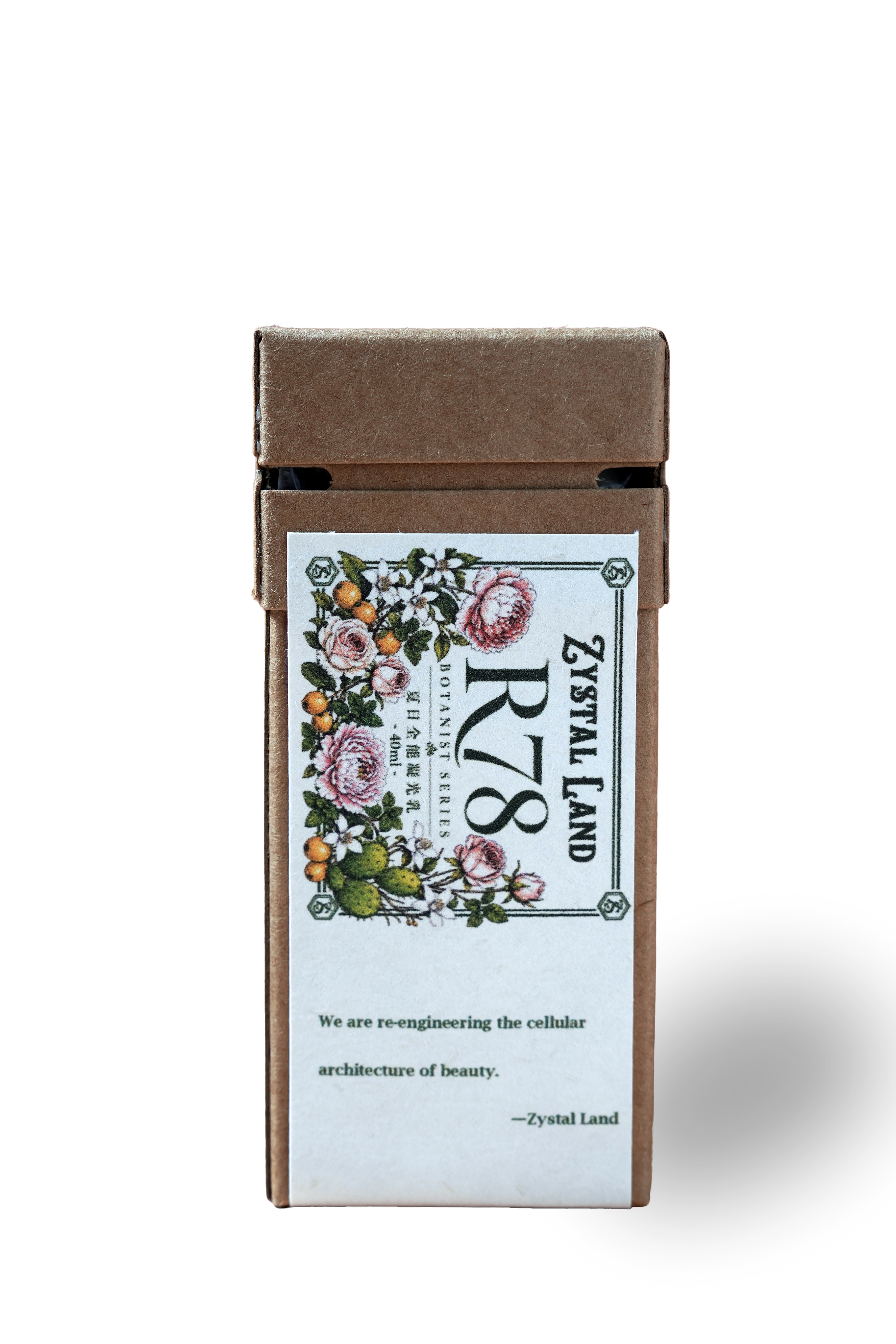
ZYSTAL LAND泽丝塔Packaging reference shown. The pictured label reads 40ml; the current product net weight is 40g.
DAILY MOISTURE / 40g
Light on skin. Easy to reach for.
Summer All-in-One Lotion
Rose, peony and bitter orange floral waters meet four botanical oils. A light, emollient touch for everyday care.
CNY 69
FLORAL WATERS & BOTANICAL OILS
Three flowers. A softer kind of summer.
A floral-water base of rose, peony and bitter orange blossom meets babassu, jojoba, marula and prickly pear seed oils. A meeting of floral waters and botanical emollients.
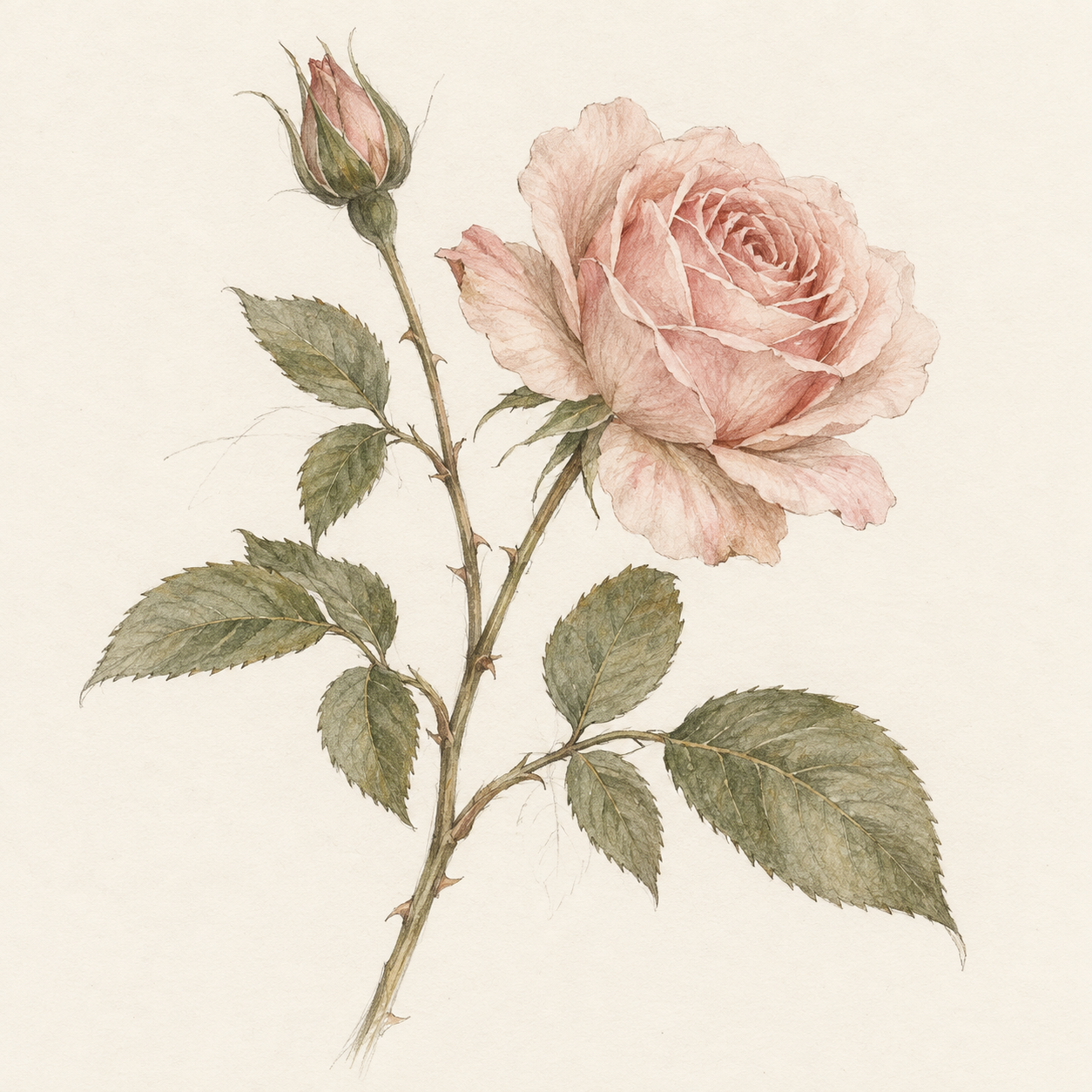
01 / Rose floral water
A flower, carried in water.
Where it comes from
The water phase collected during rose-flower distillation, separate from the essential oil.
Inside the water
Published analyses identify aromatic molecules including phenylethyl alcohol, citronellol and geraniol. Their balance varies with the rose and distillation method.
What this tells us
These molecules help explain its floral scent. Composition alone does not establish skin-brightening or repair benefits, and findings for rose oil or absolute are not interchangeable.
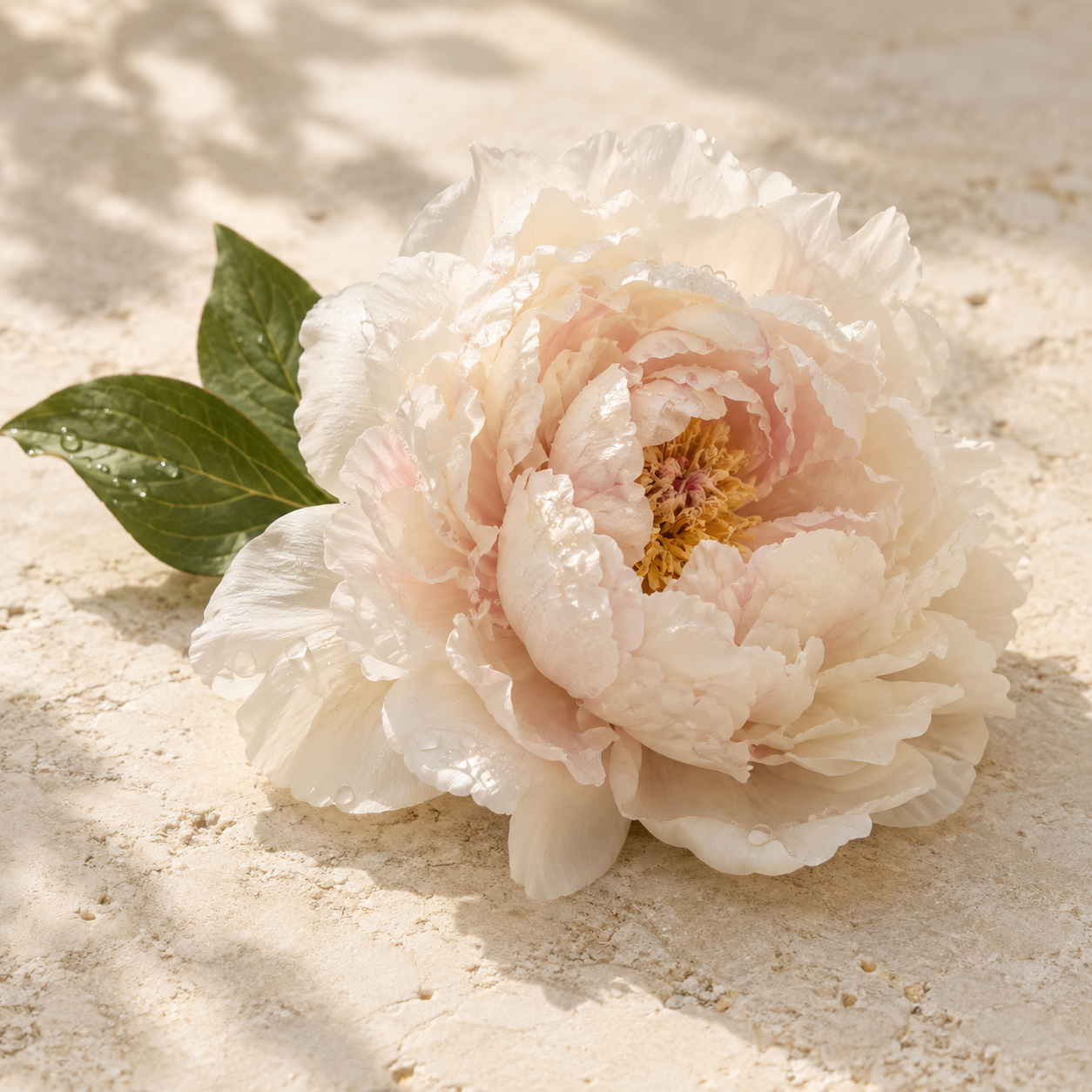
A 2019 study identified phenolics including gallic acid and pentagalloyl glucose in ethanolic extracts of peony flower parts and compared in-vitro antioxidant activity across stages and tissues. This explores botanical antioxidant potential, rather than clinically demonstrating skin benefits from floral water.
Peptides: melanin and glycation research
Another study prepared small peptides by enzymatic hydrolysis of peony flower material. Laboratory tests examined tyrosinase inhibition, reduced formation of advanced glycation end products and radical scavenging, with a zebrafish pigmentation model for further evaluation. The material was a specially prepared peptide fraction—not ordinary floral water or a human brightening or anti-ageing trial.
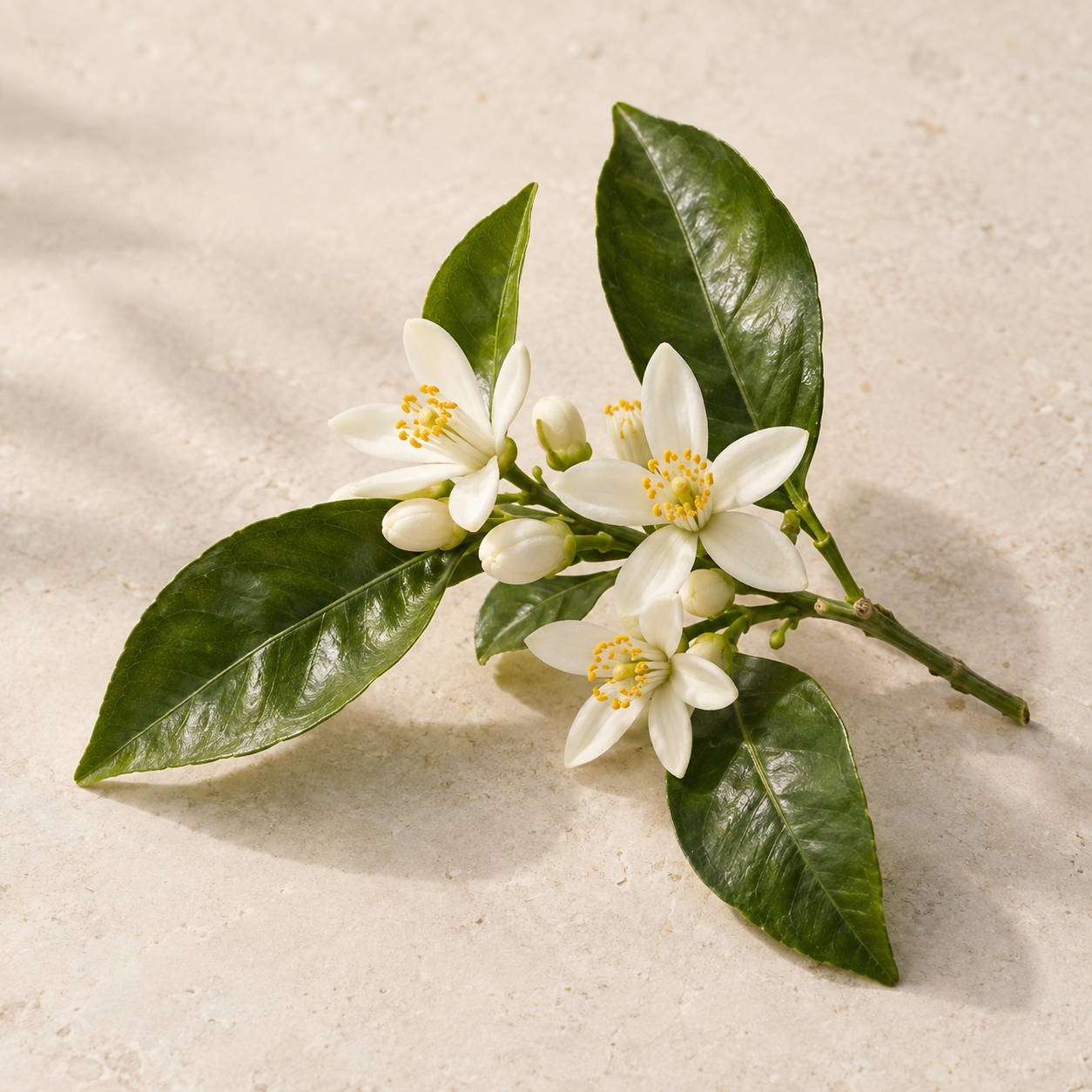
From bitter orange flowers, not expressed peel oil. Distilled floral water is separate from neroli essential oil.
Inside the water
Volatile-profile research examines molecules such as linalool and α-terpineol. Bud variety and extraction conditions influence the aromatic profile.
What this tells us
Chemical profiling helps explain the scent; it is not a human trial of soothing, anti-inflammatory or oil-control benefits. More fragrance is not necessarily better for sensitive skin.
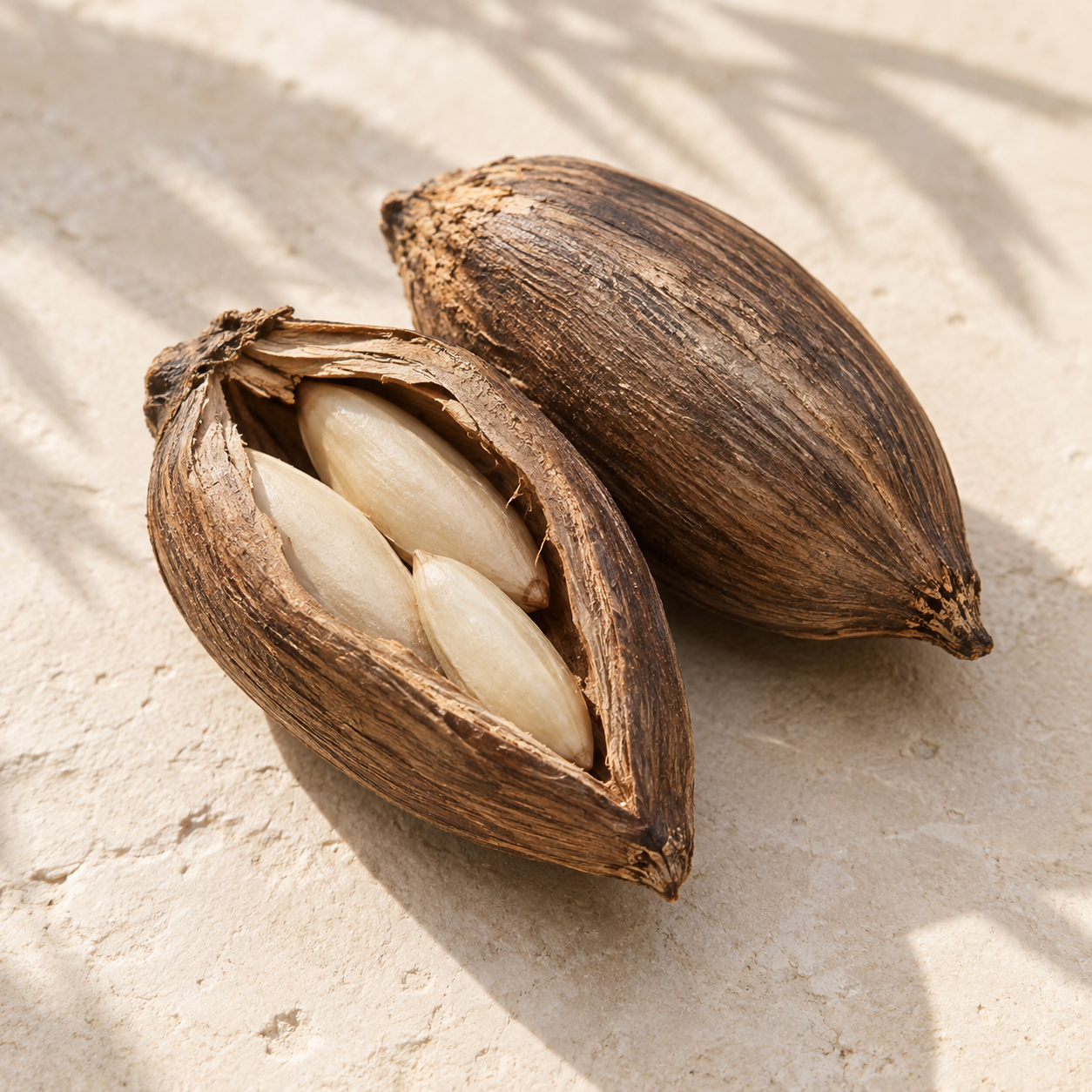
Babassu is a South American palm, with important populations in northern and northeastern Brazil. Oil comes from kernels inside the hard fruit shell—not leaves or fruit pulp.
Inside the oil
A 2019 cold-pressed oil analysis found a fatty-acid profile dominated by lauric acid, with myristic and oleic acids also present. This saturated-fatty-acid-rich profile distinguishes babassu from oleic-rich marula oil.
Its place in emollient care
In emulsions it provides surface lubrication and contributes to a film that helps retain moisture. A 2020 study formulated babassu kernel oil into an emulsion and evaluated its potential to limit evaporation with an in-vitro occlusion test. This concerned the experimental emulsion, not a human trial of pure oil.
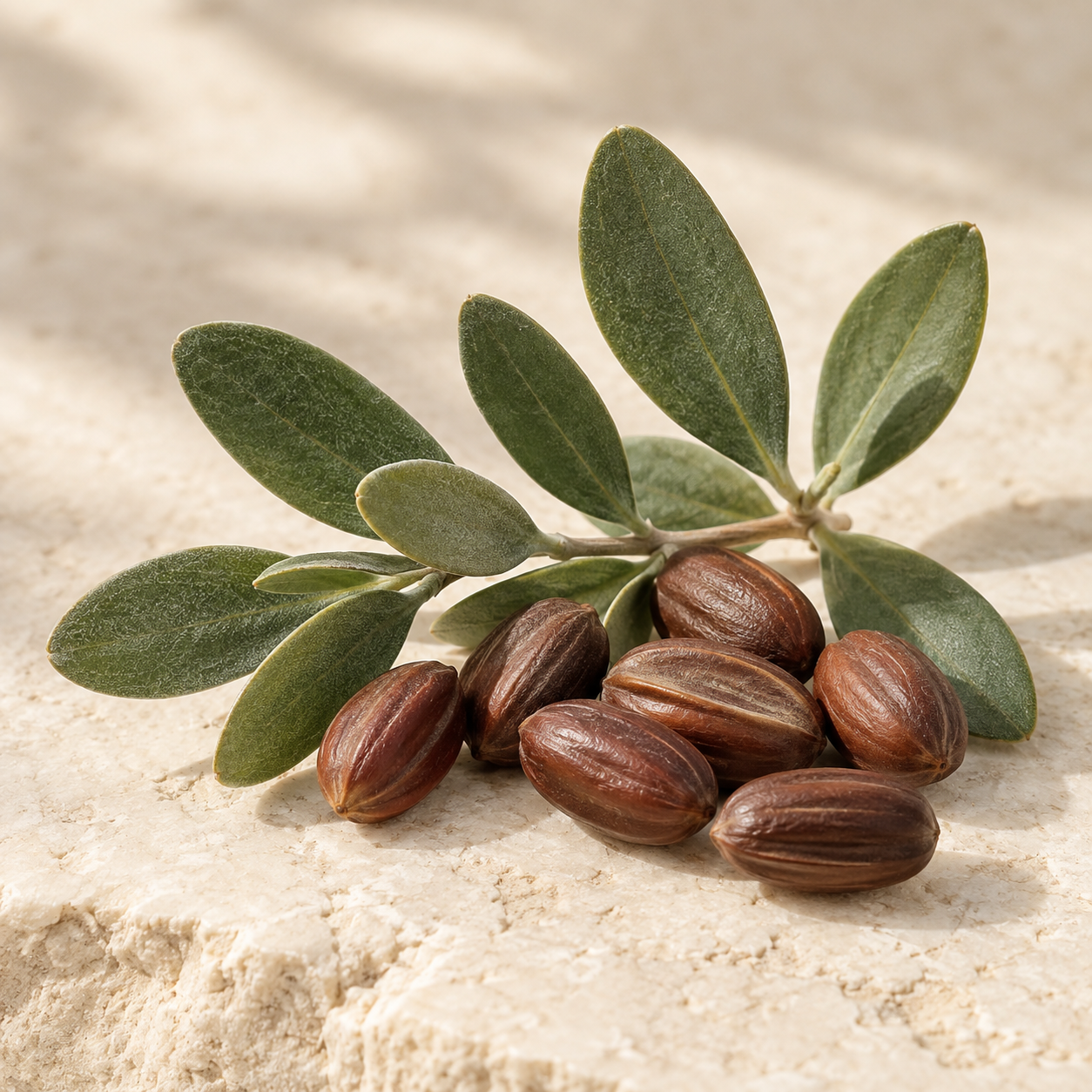
Jojoba—also written 荷荷巴 in Chinese—is obtained from the seeds, not the leaves.
Inside the oil
Predominantly wax esters formed from long-chain fatty acids and fatty alcohols, rather than the triglycerides typical of most botanical oils.
At the skin surface
Its emollient role is about slip, softness and some occlusion to help retain moisture. Human Raman research examined its distribution within the stratum corneum and its occlusive behaviour.
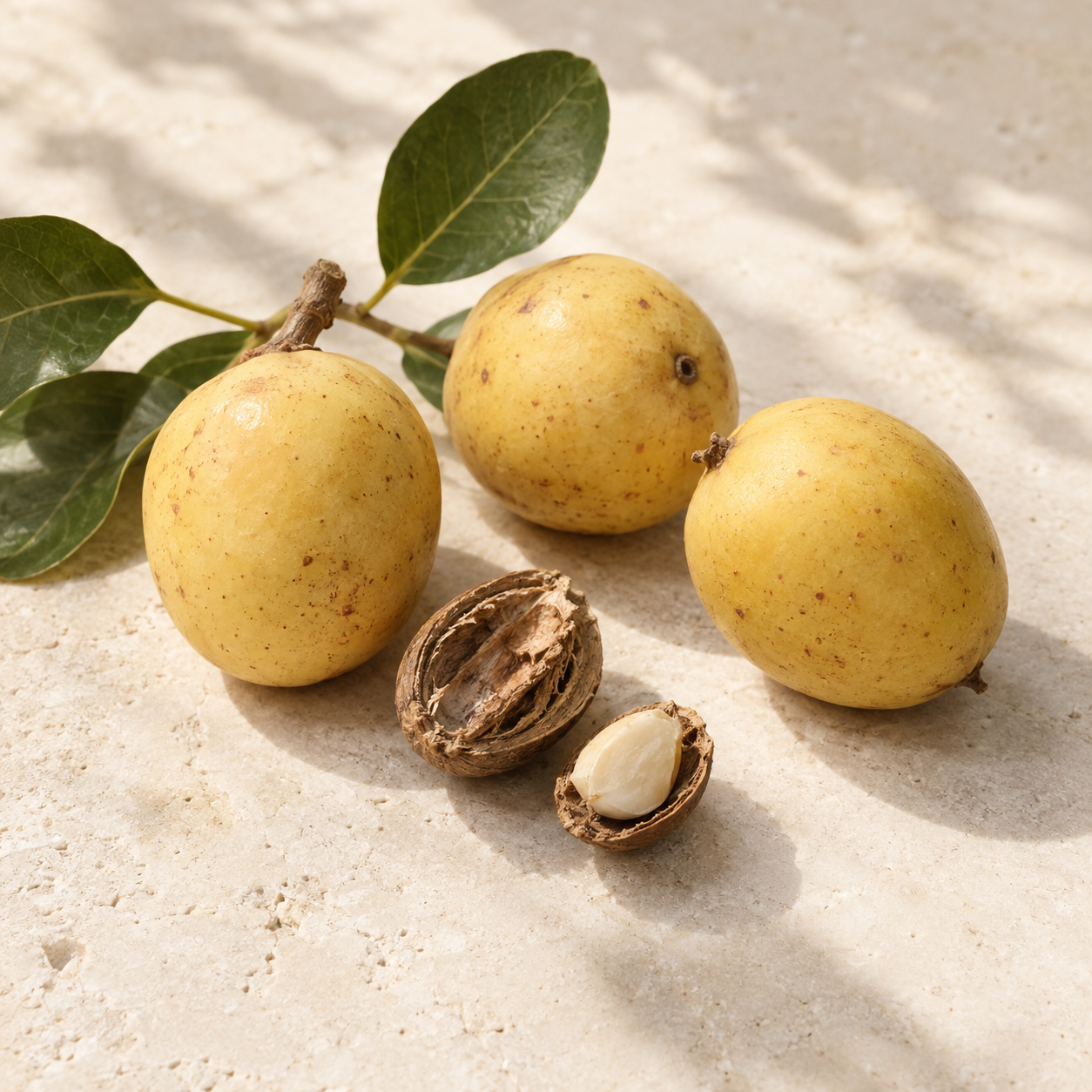
Pressed from kernels inside the hard fruit stone, not the juicy flesh. Marula grows across Africa, including South Africa and Namibia; this describes the plant’s range, not the origin of our ingredient batch.
Composition & skin
A studied oil was dominated by oleic acid, alongside palmitic and linoleic acids. A 2015 human topical study reported improved dry-skin hydration and occlusion on normal skin.
A botanical story
SANBI records fresh fruit, jelly-making and a traditional drink called Mukumbi. The genus name Sclerocarya refers to its “hard nut”—the stone protecting the kernel.
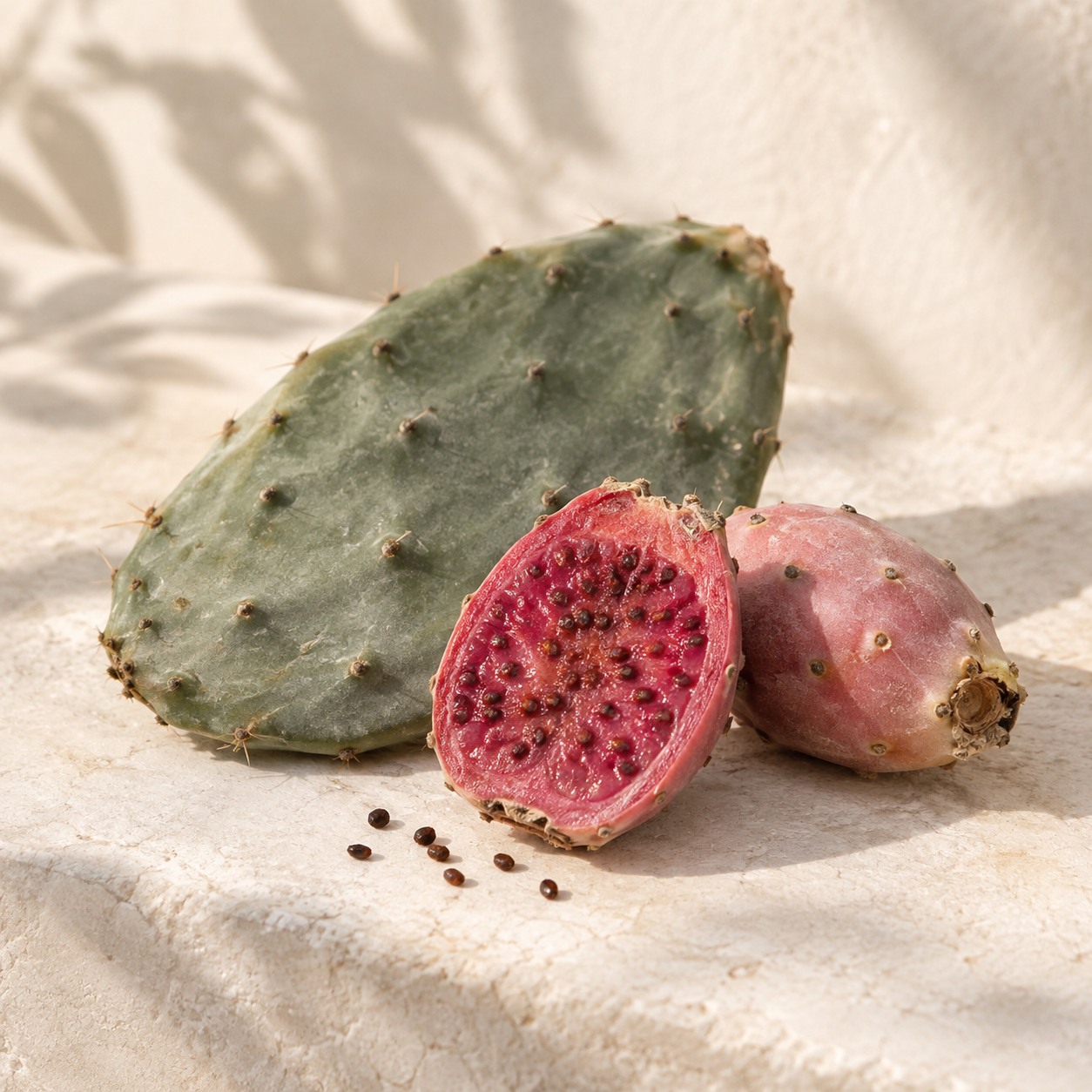
Extracted from the tiny seeds inside Opuntia ficus-indica fruit, after separating them from the pulp. It is not the juice of the green pads or a fruit-pulp extract.
Inside the oil
Seed-oil analyses identify linoleic and oleic acids, together with tocopherols. Linoleic acid is polyunsaturated; tocopherols belong to the vitamin E family and contribute to antioxidant protection of lipids.
What this means for care
The oil provides an emollient, softening feel. Chemical or in-vitro antioxidant tests are not human proof of wrinkle reduction or anti-ageing; that requires separate clinical evidence.
A light, fluid feel designed for warm-weather routines.
The care
Botanical oils and moisturising ingredients in an easy-spreading lotion.
The everyday extra
Keep one within reach, or pair it with your shampoo bar or lip care.
Daily care, without the fuss
Summer is designed around a light, fluid texture: easy to spread, with moisture care and botanical oils in one lotion. A simple addition to an everyday routine, especially when a rich-feeling cream is not your preference.
Start with a little
Apply a small amount to clean, intact skin and spread gently. Adjust the amount to the area you are caring for and how your skin feels. For a first use, try a small area first and stop if irritation occurs.
One small extra for your routine
The current size is 40g. Keep it with your daily care essentials, or add one alongside a shampoo bar or The Royal Glaze. All-in-One describes the idea of a streamlined routine; this lotion does not replace sunscreen.
A LITTLE EXTRA
Bring summer along.
Summer All-in-One Lotion: CNY 69 on its own, or CNY 49 with a shampoo bar or The Royal Glaze.
One discounted lotion per qualifying shampoo bar or lip glaze. Additional lotions are CNY 69 each. Removing a qualifying item updates the price automatically.